• Regions: Central and South America, South Asia, Middle East, Africa
    Number Afflicted: 50 million
    Number at risk: 480 million
    Involved Since: 1984
    Research Overview:
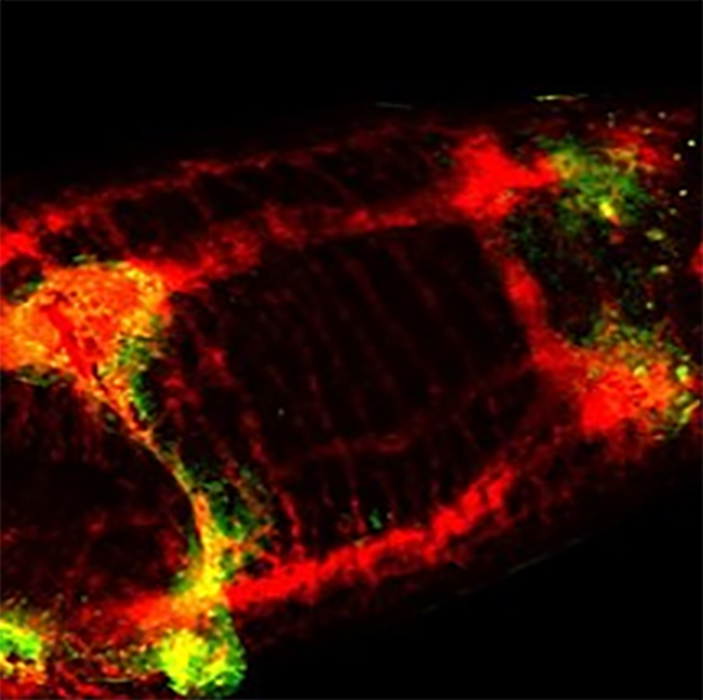
    Amebiasis is a parasitic disease caused by a protozoan parasite Entamoeba histolytica. The most common manifestations of E. histolytica infection are dysentery and liver abscesses. Clinical amebiasis occurs when the parasite penetrates the colon wall, causing ulcerative colitis, or disseminates into other organs. Current therapy for amebiasis relies on metronidazole, which was first introduced in 1959.
  • Regions: Sub-Saharan Africa
    Number Afflicted: 50,000
    Number at risk: 60 million
    Involved Since: 1997
    Research Overview:
    African Sleeping Sickness is a lethal disease caused by infection with the Trypanosoma brucei parasite. The parasite is transmitted to humans and animals via the bite of the tsetse fly. Rural populations, which tend to be poor, are the most exposed to the bite of the tsetse fly which transmits the parasite, and therefore to the disease. Currently available treatments are toxic, painful and ineffective if not used early in the course of the disease.
  • Regions: Americas
    Number Afflicted: 8-11 million
    Number at risk: 100 million
    Involved Since: 1997
    Research Overview:
    Chagas disease is caused by infection with the trypanosoma cruzi parasite. Those at highest risk are poor people living in rural areas, with primitive housing, facilitating close contact between insects which transmit the disease and humans. Untreated, the infection persists for years, finally resulting in death due to cardiac failure. Current treatments are toxic and have limited effectiveness in late-stage disease, when infection is usually determined.
  • Regions: South America, Africa, Middle East, Asia, Southern Europe
    Number Afflicted: 12 million
    Number Afflicted: 350 million
    Involved Since: 1997
    Research Overview:
    Leishmaniasis is caused by infection of a parasite transmitted by the bite of certain sand flies. Visceral leishmaniasis causes death due to organ infection and destruction. Cutaneous leishmaniasis causes ulcers resulting in horrific scarring on exposed skin, or destruction of mucous membranes of the nose, mouth and throat resulting in severely disfiguring deformations. Current treatments are limited by high costs and severe toxicities.
  • Regions: Africa, Middle East, Caribbean, South America, China, South East Asia
    Number Afflicted: >200 million
    Number at risk: 800 million
    Involved Since: 1998
    Research Overview:
    Schistosomiasis is a chronic and debilitating disease caused by one of three major helmintic (worm) species infecting humans. Most at risk are those living close to water bodies that allow contact with infective schistosome larvae. As there is only one recommended drug to treat the disease, the search for alternative treatments is a priority to combat emerging drug resistance.
  • Regions: 37 countries in Africa and Latin America
    Number Afflicted: 37 million
    Number at risk: 90 million
    Involved since: 1992
    Research Overview:
    Onchocerciasis (“river blindness”) is a parasitic disease caused by the filarial worm Onchocerca volvulus. Larval forms, called microfilariae, are released in large numbers from adult female worms, move through the skin, and can enter the eye. Inflammation in response to microfilariae results in scarring of the cornea, impaired vision, and eventually blindness.
  • Regions: Sub-Saharan Africa, Central and South America, South and South-East Asia
    Number Afflicted: 0.7 – 1.0 billion
    Number at risk: 1.0 – 1.2 billion
    Involved since: 2010
    Research Overview:
    Hookworm is a common gastro-intestinal nematode infection associated with extreme poverty and poor sanitation. As much as ten percent of the world’s population is infected with this parasite. Hookworms feed on blood and can cause severe iron-deficient anemia that adversely affects fetal weight and growth, and contributes to premature birth and maternal mortality. As the choices of drugs are limited, there is a need to develop new drugs.
  • Regions: Africa, India, South Asia and Pacific, Latin America
    Number Afflicted: 120 million
    Number at risk: 1.1 billion
    Involved Since: 2009
    Research Overview:
    Lymphatic filariasis is caused by infection with a parasitic round worm transmitted by the bite of certain mosquitoes. The disease leads to the painful, disfiguring and psychologically damaging condition known as elephantiasis. Not only do those infected have grossly enlarged arms and legs, but can incur disabling kidney and lymphatic damage. Almost 40 million people in Africa, Asia and Latin America have severe disfigurement from this disease.
  • Regions: Worldwide
    Number Afflicted: 235
    Number at risk: no information
    Involved Since: 1990
    Research Overview:
    Primary amebic meningoencephalitis (PAM), is a rapidly fatal infection caused by the free-living ameba Naegleria fowleri. N. fowleri enters the nasal cavity from fresh water, followed by migration of the amebae to the brain, leading to patient death in 3-7 days. Current drug of choice is Amphotericin B, but it is limited by toxicity, and other adverse effects.
  • Regions: Africa, Asia, Latin America
    Number Afflicted: 243 million cases, 1 million deaths/year
    Number at risk: 3.3 Billion
    Involved Since: 1998
    Research Overview:
    Malaria is the fifth leading cause of death worldwide. A child in Africa typically has 1-5 malaria infections a year, and malaria causes a child to die every 30 seconds. Caused by infection of the plasmodium parasite, the disease is spread through the bite of infected mosquitoes. Prompt treatment can minimize the disastrous effects of this disease, including the majority of deaths.
1 2 3 4 5 6 7 8 9 10

Blog

Featured Stories

After a week full of swimming, fishing, boating, camping, and wonderful fami...

Auranofin, an approved drug for the treatment of rheumatoid arthritis, could ser...

A cheap drug, which is already prescribed for arthritis, could fight amoebic dys...

A drug candidate that is nearing clinical trials against a Latin American parasi...

Press Releases

Two UCSF teams have received a total of $16 million from the Bill & Melinda Gates Foundation to study new ways to signif...
READ MORE

Based on research by UCSF and UC San Diego, the FDA has identified an arthritis treatment as an “orphan drug.” It pa...
READ MORE

Stay Connected